Floating schools in Bangladesh, designed to overcome seasonal flooding, remain a vital educational model as climate-related disruptions increase.
Key facts
- •The floating school program in Bangladesh was established 24 years ago to address educational barriers caused by seasonal flooding.
- •The nonprofit Shidhulai Swanirvar Sangstha received the 2025 UNESCO Confucius Literacy Prize for its work in the Chalan Beel wetlands.
- •Bangladesh's national literacy rate has grown from 17.6% in 1971 to approximately 76% in 2026.
- •The program provides free primary education, including learning materials, to students in remote, flood-prone areas.
- •New designs for floating community hubs aim to provide additional services such as healthcare and emergency shelter.
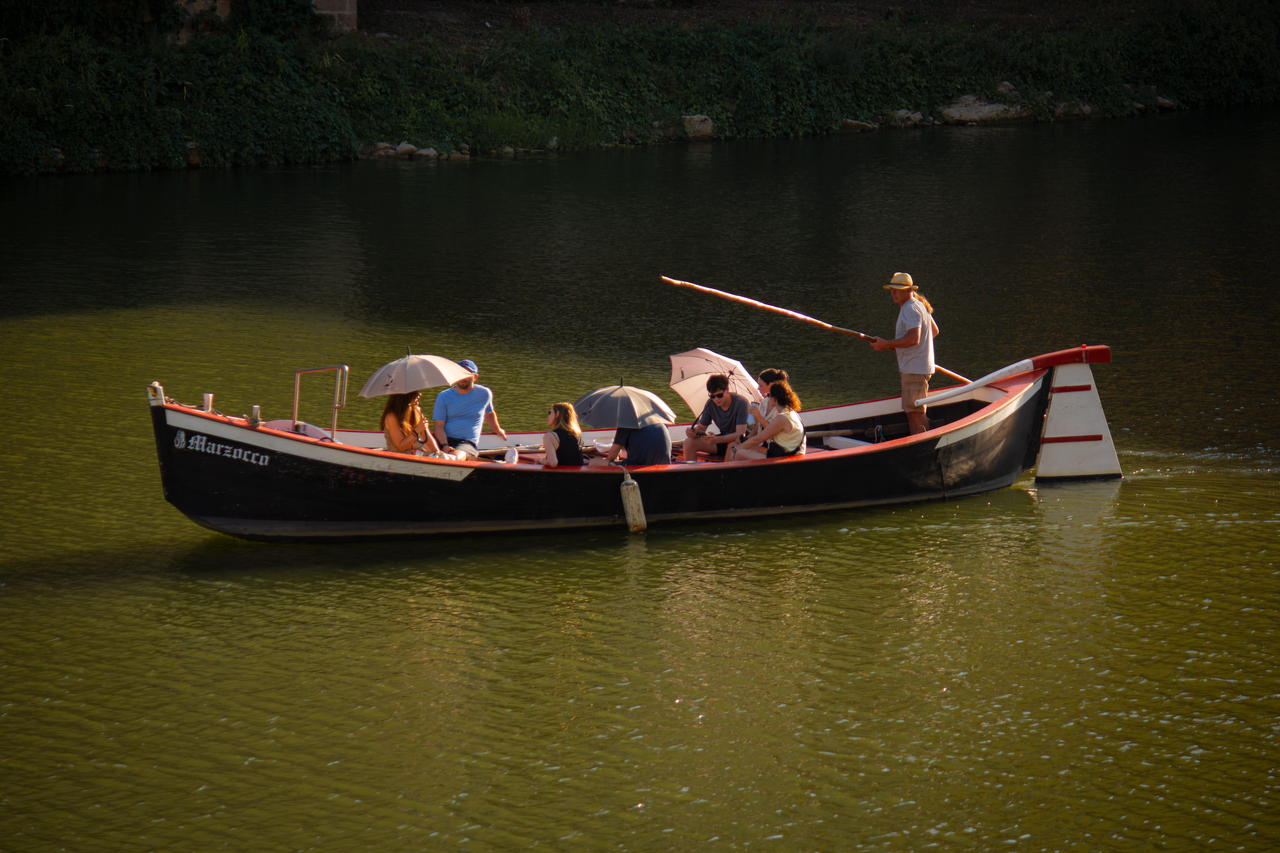
Floating schools in Bangladesh, which began 24 years ago to help children reach class during seasonal floods, continue to operate as a critical educational resource. These boat-based classrooms navigate the Atrai River to pick up students, ensuring attendance when muddy roads and flooded grounds make conventional schools inaccessible. As of 2026, the model is gaining international recognition for its ability to maintain essential services in changing environments.
By the numbers
Impact on Student Outcomes
Former students of the floating schools have successfully transitioned to higher education and professional careers. Rabbi Hossain, who attended from 2005 to 2010, is now an engineering student at Dhaka University of Engineering & Technology. Another former student, Nahid Hossain, serves in the Bangladesh Army, while Surovi Khatun is pursuing an undergraduate degree in English. These students credit the schools for providing a foundational education that would have otherwise been disrupted by regional flooding.
Operational Model and Expansion
The initiative is managed by the nonprofit Shidhulai Swanirvar Sangstha, which received the 2025 UNESCO Confucius Literacy Prize. The program provides free education, textbooks, and supplies to children in the Chalan Beel wetlands. Founder Mohammed Rezwan is currently designing larger boats intended to serve as community hubs that offer healthcare and shelter for up to 150 people during flood seasons. Similar floating school programs have been adopted in countries including Cambodia, Vietnam, India, Malaysia, the Philippines, and Brazil.
Timeline
- 1971Bangladesh recorded a literacy rate of 17.6%.
- 2002The first floating school in Bangladesh began its journey.
- 2005-2010Rabbi Hossain attended the floating school.
- 2012-2016Surovi Khatun attended the floating school.
- 2025Shidhulai Swanirvar Sangstha received the UNESCO Confucius Literacy Prize.
- 2026Bangladesh's literacy rate reached approximately 76%.
Advertisement
This article was independently rewritten by ManyPress editorial AI from reporting originally published by NPR Health.