
Owner-occupiers are purchasing discounted office space in Hong Kong's noncore districts, while the industry urges tax reform to maintain competitiveness against Singapore.
Key facts
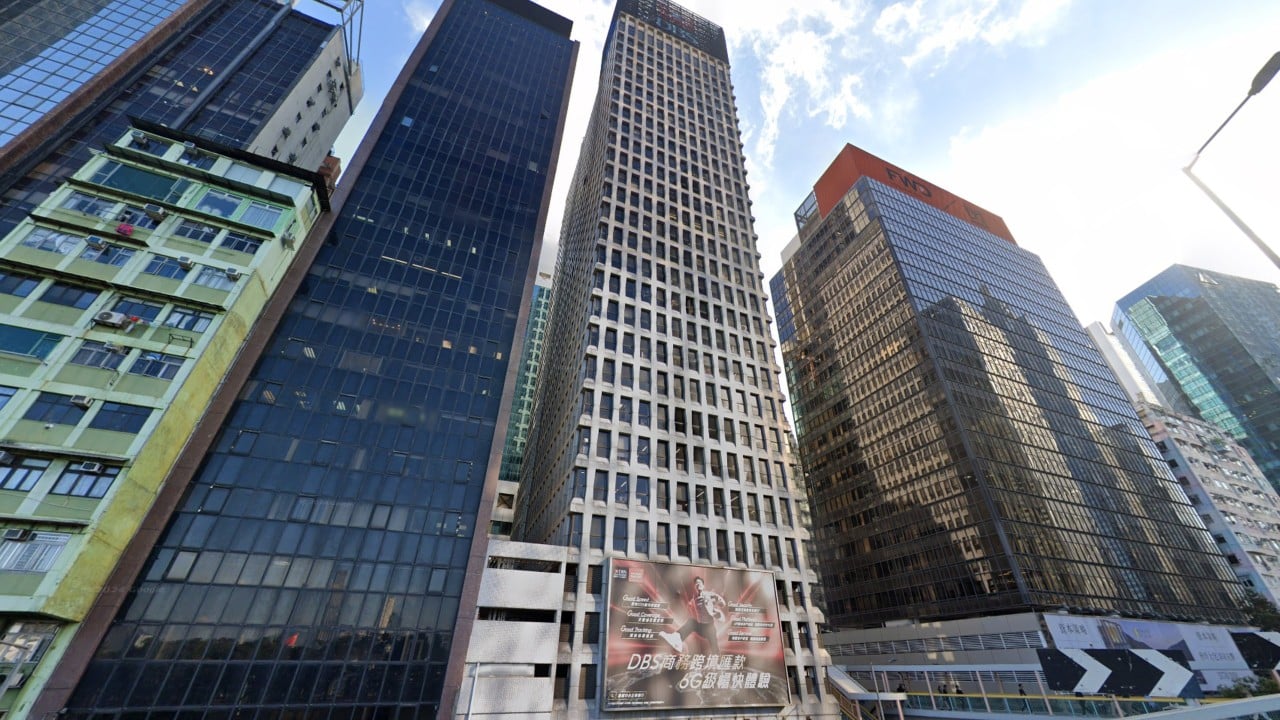
- •The Estate Agents Authority bought an office unit in Wan Chai for HK$70 million, or HK$9,533 per square foot.
- •Noncore office values have declined by over 50% from their 2018 peak.
- •Some noncore office districts are experiencing vacancy rates of approximately 30%.
- •A proposed tax break on carried interest is expected to face a legislative vote later this year.
- •Industry experts view the tax bill as a necessary response to similar incentives introduced in Singapore.
Hong Kong’s noncore office market continues to face high vacancy rates and weak investor demand, yet owner-occupiers are increasingly purchasing space at discounted prices. Simultaneously, financial industry participants are urging the government to finalize a proposed tax break on carried interest to maintain the city's competitive edge against rival jurisdictions like Singapore.
By the numbers
Noncore Office Market Trends
The Estate Agents Authority recently purchased a 7,343-square-foot office unit in the OTB Building in Wan Chai for HK$70 million, or HK$9,533 per square foot. While this transaction suggests some price resilience, market values in noncore districts have fallen by more than half since their 2018 peak. Some locations currently report vacancy rates of approximately 30 percent, as developers lower prices to clear inventory amid tight bank financing.
Financial Industry Tax Reform
Industry professionals are calling for the swift passage of a bill that would provide tax breaks on carried interest, the performance fees earned by private equity and hedge fund managers. The bill, which was submitted to lawmakers in June, is intended to help Hong Kong compete with Singapore’s recently unveiled tax-exemption scheme. Supporters argue the measure is essential to retain talent and attract global fund managers to the city, though some debate remains regarding the scope and fairness of the proposed exemptions.
Advertisement
This article was independently rewritten by ManyPress editorial AI from reporting originally published by SCMP Business, SCMP Business.


