The Perseid meteor shower peaks on the night of August 12–13, 2026, offering optimal viewing conditions due to a new moon.
Key facts
- •The Perseid meteor shower peak is expected on the night of August 12–13, 2026.
- •The event coincides with a new moon, which will provide darker skies for better visibility.
- •Under ideal conditions, the Perseids can reach a rate of up to 100 meteors per hour.
- •NASA and the ESA advise against using telescopes or binoculars to ensure a wider field of view.
- •Observers should allow 20 to 30 minutes for their eyes to adjust to the dark before viewing.
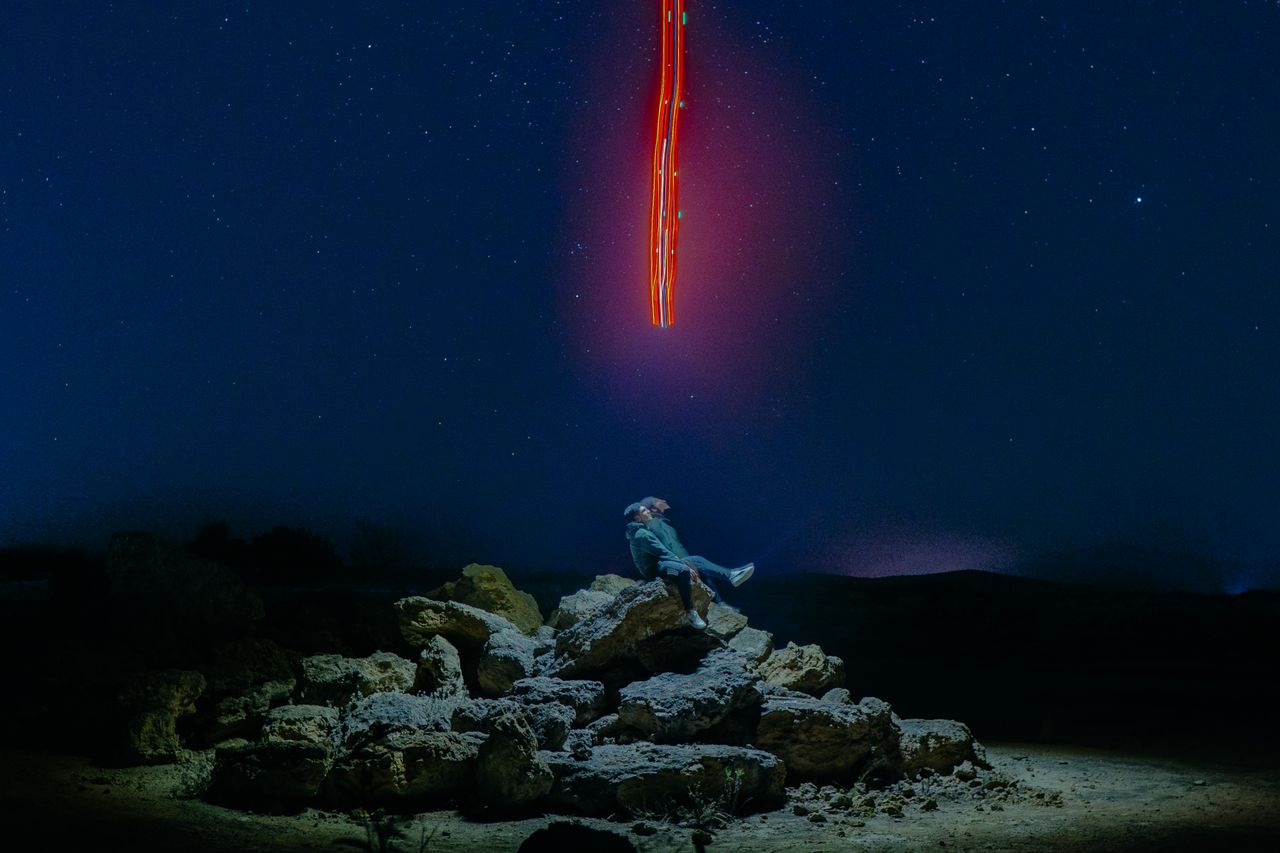
Astronomy enthusiasts in the northern hemisphere and parts of the southern hemisphere can observe the Perseid meteor shower on the night of August 12 and into the early morning of August 13, 2026. This year's event is considered particularly favorable because the peak activity coincides with the new moon phase, resulting in a darker sky with no moonlight interference.
By the numbers
Understanding the Perseids
Meteor showers occur when Earth passes through particle trails left by comets. As these fragments enter the atmosphere, friction causes them to burn up, creating bright flashes in the sky. The Perseids are recognized as one of the three most intense annual meteor showers, alongside the Geminids in December and the Quadrantids in January, typically reaching a rate of up to 100 meteors per hour under ideal conditions.
Observing Recommendations
NASA and the European Space Agency (ESA) recommend moving away from light pollution to a location with dark skies and an unobstructed horizon. Observers should avoid using telescopes or binoculars, as these instruments narrow the field of view; instead, the naked eye is preferred. It takes approximately 20 to 30 minutes for human eyes to adjust to the darkness, and using bright screens like cell phones should be avoided to maintain sensitivity.
Viewing Strategy
While the shower is named for the constellation Perseus, meteors can appear in any part of the sky. Experts suggest lying down or using a reclining chair to monitor a wide area, ideally after midnight when the radiant point is higher. Because meteor activity is not constant, patience is required; staying under a dark sky for at least an hour is recommended to maximize the chance of seeing the display.
Advertisement
This article was independently rewritten by ManyPress editorial AI from reporting originally published by Wired.