Shoppers and regulators are scrutinizing the use of AI and digital tools in retail pricing, amid concerns over transparency and the potential for personalized or dynamic price adjustments.
Key facts
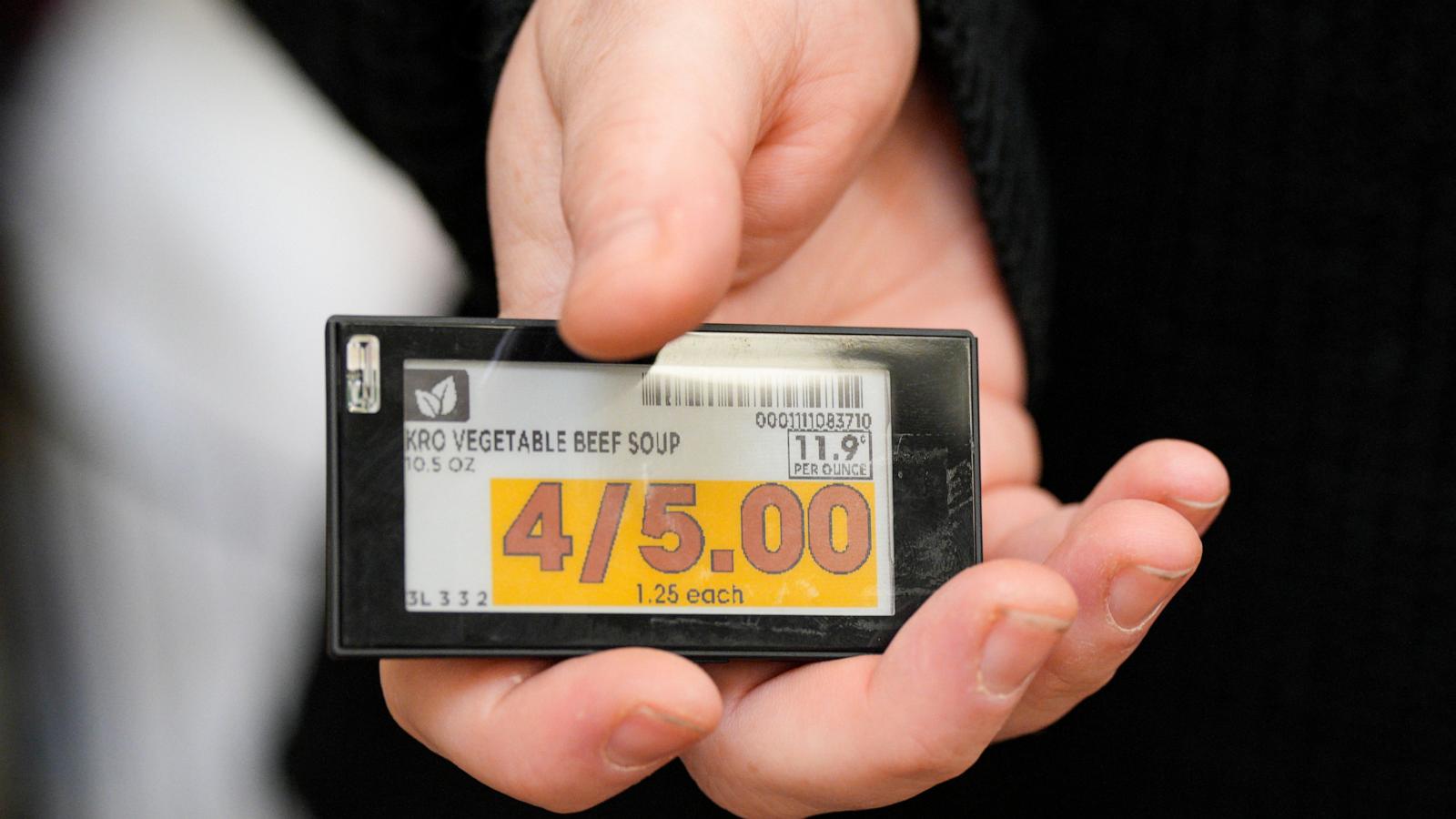
- •Walmart CEO John Furner stated that digital shelf labels are used for operational efficiency and do not adjust prices based on individual shoppers.
- •Legislators in at least 30 states have considered bills this year addressing algorithmic and personalized pricing.
- •A 2025 FTC staff report found that pricing-tailoring tools were used by intermediaries working with at least 250 clients.
- •Target agreed to a $5 million settlement in 2022 following allegations regarding its app's pricing practices.
- •A survey by Simon-Kucher found that 28% of business leaders across 39 industries use AI for real-time price optimization.
U.S. consumers are increasingly wary of the high-tech methods retailers and restaurants are using to set prices. While businesses argue that AI and digital shelf labels improve efficiency and consistency, shoppers are expressing anxiety over potential algorithmic manipulation and the use of personal data to influence costs.
By the numbers
Digital Labels and Dynamic Pricing
Digital shelf labels are replacing paper tags at major retailers like Walmart and Whole Foods, allowing for electronic price updates. While some consumers fear these tools facilitate surge pricing, industry experts note that grocery retailers typically update prices on a weekly schedule to maintain consistency. Research into grocery chains has found virtually no evidence of surge pricing, which remains rare in the retail sector compared to airlines or rideshare services.
Personalized Pricing and Data Privacy
Personalized pricing, or 'surveillance pricing,' involves tailoring costs based on individual consumer data. While the extent of this practice remains unclear, an FTC report identified at least 250 clients using tools capable of tailoring prices. In response, states including Maryland, New Jersey, and Connecticut have enacted restrictions on using personal data to determine retail costs. Additionally, Target settled a 2022 lawsuit for $5 million regarding allegations of using geofencing to adjust prices based on a shopper's location.
Algorithmic Pricing and Regulatory Scrutiny
Retailers are increasingly using AI to analyze market intelligence and optimize prices. The FTC has taken a firm stance, warning businesses that failing to disclose the use of personal data for individualized pricing may violate consumer protection laws. Furthermore, the agency is currently pursuing an anti-monopoly lawsuit against Amazon, alleging the company used an algorithmic tool called 'Project Nessie' to artificially inflate prices.
Advertisement
This article was independently rewritten by ManyPress editorial AI from reporting originally published by ABC News Technology.