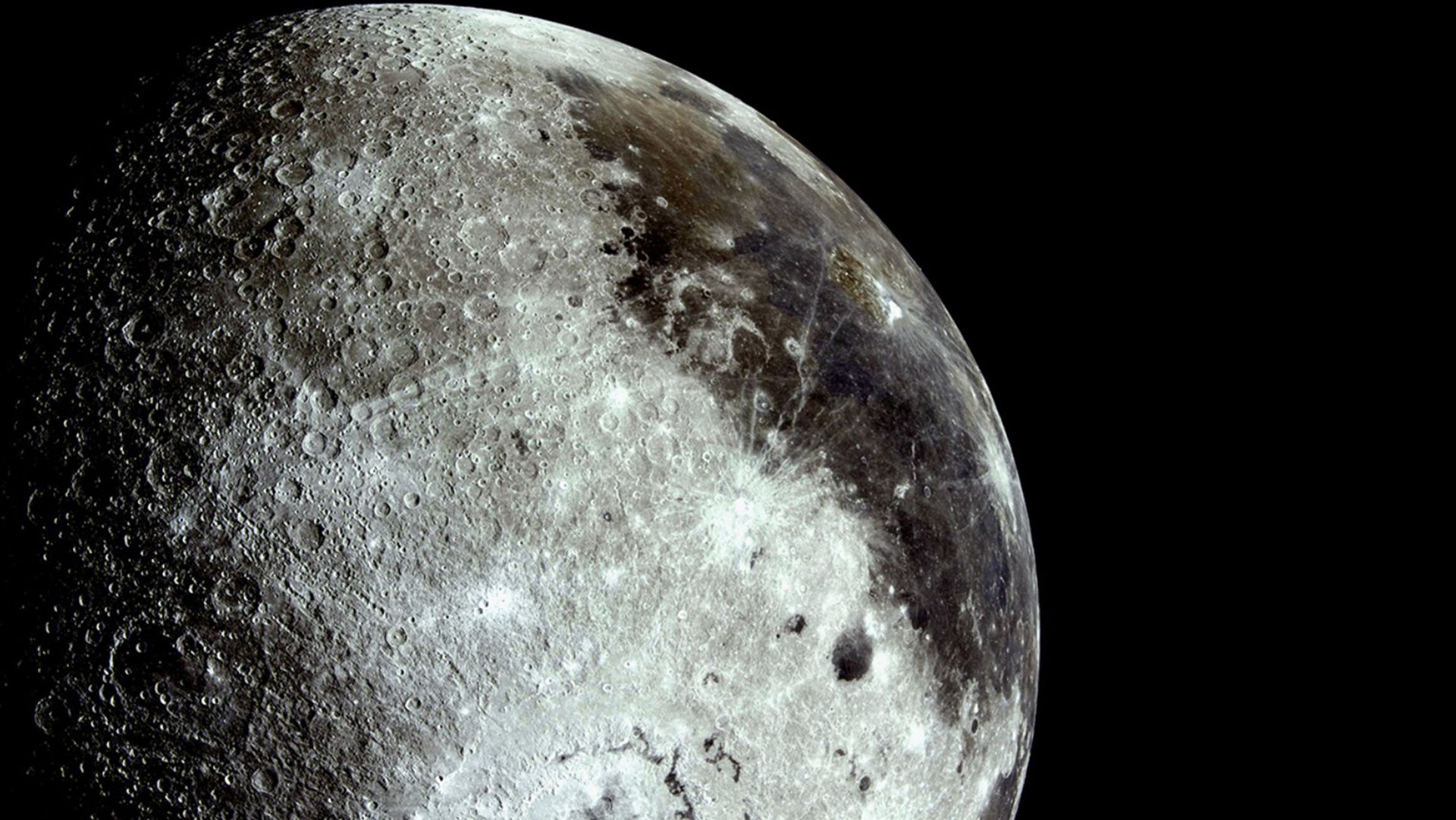
NASA has published over 800GB of data and a new lunar science report detailing the Artemis II crew's observations of the Moon's surface.
Key facts
- •NASA released over 800GB of data, including 11,000 photos and 8.5 hours of audio from the Artemis II mission.
- •The Artemis II crew observed colors such as yellow, green, and brown on the lunar surface during an April flyby.
- •Observations of the Aristarchus Plateau suggest the presence of titanium-rich and magnesium-rich volcanic glass beads.
- •The crew documented impact flashes on the dark side of the Moon, which were described as potentially the faintest observed by human eyes.
- •The mission data includes the Artemis II Preliminary Lunar Science Report, which spans 130 pages of findings.
NASA has released a comprehensive archive of over 800GB of data from the Artemis II mission, including thousands of images, hours of audio, and detailed scientific reports. The release features the Artemis II Preliminary Lunar Science Report, which documents the crew's observations during their close flyby of the Moon in April. The data provides new insights into lunar geological features, including unexpected color variations observed by the astronauts.
By the numbers
Lunar Observations and Color Variations
During their flyby, which brought them within 4,000 miles of the lunar surface, the four crewmembers—Reid Wiseman, Victor Glover, Christina Koch, and Jeremy Hansen—reported seeing a range of colors including yellow, brown, green, blue, and tan. These observations were recorded in the 130-page Preliminary Lunar Science Report. The crew noted these hues across volcanic plains and near craters, suggesting they may be linked to titanium-rich and magnesium-rich volcanic glass beads, similar to those collected during the Apollo 15 and 17 missions. The Aristarchus Plateau, a region on the northwestern nearside of the Moon, was a primary focus for the crew due to its dense collection of volcanic features. Astronaut Christina Koch described the area as having distinct yellow shades, while pilot Victor Glover noted brown streaks flowing from the north and green patches. The crew also examined the Orientale Basin, a large, multiringed impact crater.
Data Archive and Mission Documentation
The newly released archive contains over 11,000 photos and videos, along with 8.5 hours of audio recordings captured from the Orion crew capsule. Among the materials are crew-annotated images, including documentation of impact flashes observed on the dark side of the Moon. NASA noted that these flashes may be among the faintest ever observed by the human eye. In addition to the raw data, NASA provided three supplementary documents: the Artemis II Preliminary Lunar Science Report, the Artemis II Lunar Science Operations Report, and the Artemis II Lunar Science Data User Guide. These resources are intended to assist in analyzing the mission's findings and informing future lunar exploration efforts.
Advertisement
This article was independently rewritten by ManyPress editorial AI from reporting originally published by The Verge, Live Science.