A nonprofit initiative is building suspension bridges across Rwanda's rivers, improving access to schools, healthcare, and markets for isolated communities.
Key facts
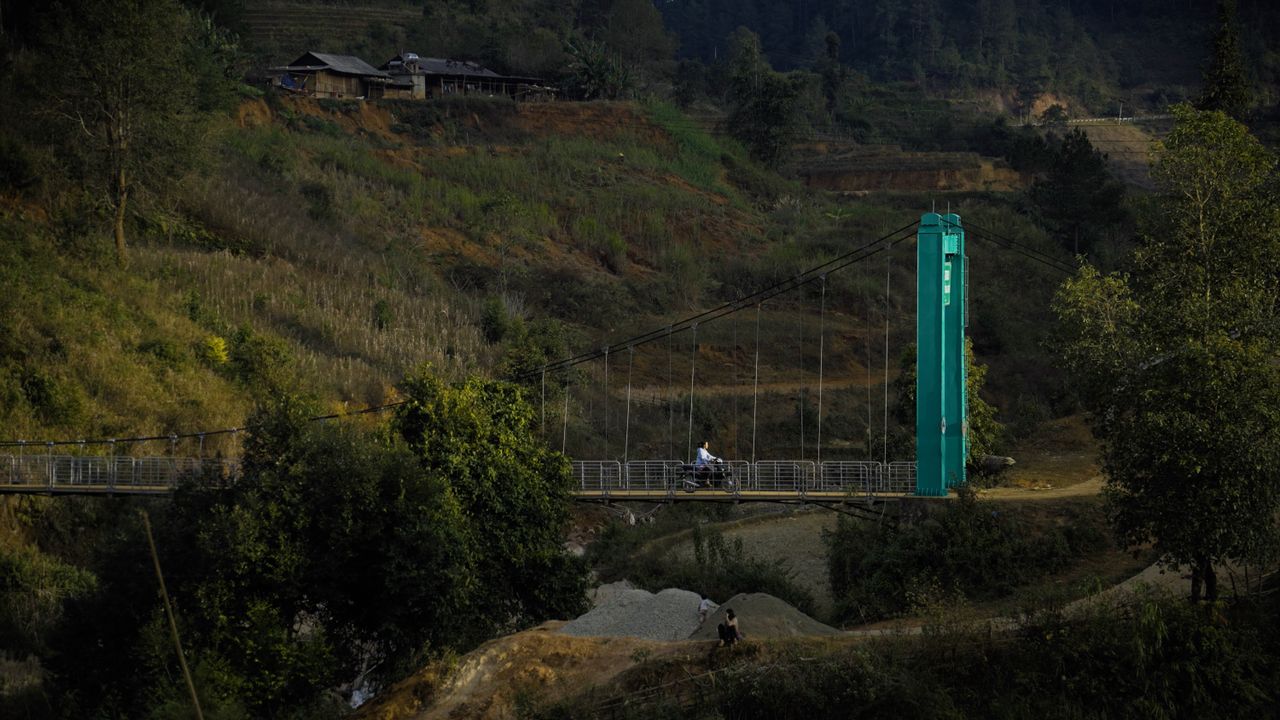
- •The Cyangoga bridge is 230 feet long and was built to replace hazardous makeshift log crossings.
- •Fika has constructed 96 bridges in Rwanda since 2020 with funding from the Rwandan government and donors including USAID.
- •The study reported a 120% rate of return on investment for the bridges within the first year of operation.
- •Villagers report that while bridges improve safety and access, there remain urgent needs for roads, electricity, and clean water.
In 2025, the Cyangoga suspension bridge was completed in Rwanda's Mukungwa River valley, providing a safe crossing for residents previously reliant on dangerous log bridges or expensive boat trips. The project is part of an initiative by the Kigali-based nonprofit Fika, which has constructed 96 bridges across the country since 2020. These structures connect isolated settlements to vital services, including schools, health clinics, and markets, while enabling farmers to transport goods more efficiently.
By the numbers
Documented Economic and Social Impact
Researchers from the University of Colorado Boulder analyzed the impact of Fika's bridge-building program, releasing findings in July. The study, which collected data from hundreds of villages, reported increases in household consumption, income, and land cultivation. Additionally, the data showed higher rates of fertilizer use and school attendance. Specific local outcomes include a 40% increase in patient visits to a health clinic near the Cyangoga bridge and a more than threefold increase in banana wine production among local farmers. At the Gakoro school, teacher Marie Gorette Mutuyimana reported that over 134 students re-enrolled following the bridge's construction, as parents no longer fear for their children's safety during river crossings.
Engineering for Challenging Terrain
Rwanda's mountainous and wet landscape presents significant logistical challenges for infrastructure development. Fika designs its bridges to be constructed without heavy machinery, utilizing steel towers and anchors to lift walkways above floodplains. The organization builds two primary types of structures: suspension bridges for valleys and suspended bridges for steep gorges. Each bridge costs approximately $100,000, a figure researchers describe as cost-effective given the terrain.
Advertisement
This article was independently rewritten by ManyPress editorial AI from reporting originally published by NPR Health.