Amit Biligiri, a 16-year-old student from San Jose, won NPR's annual Student Podcast Challenge with an audio story exploring how and why the human brain retains specific memories.
Key facts
- •Approximately 1,500 students competed in the eighth annual NPR Student Podcast Challenge.
- •Biligiri is a 16-year-old junior at Evergreen Valley High School in San Jose.
- •The podcast explores how the amygdala and sleep cycles influence memory storage.
- •Biligiri argues that experiencing life through digital screens can negatively impact memory formation.
- •The winning project was inspired by a childhood memory of his great-grandfather, B. Raje Urs.
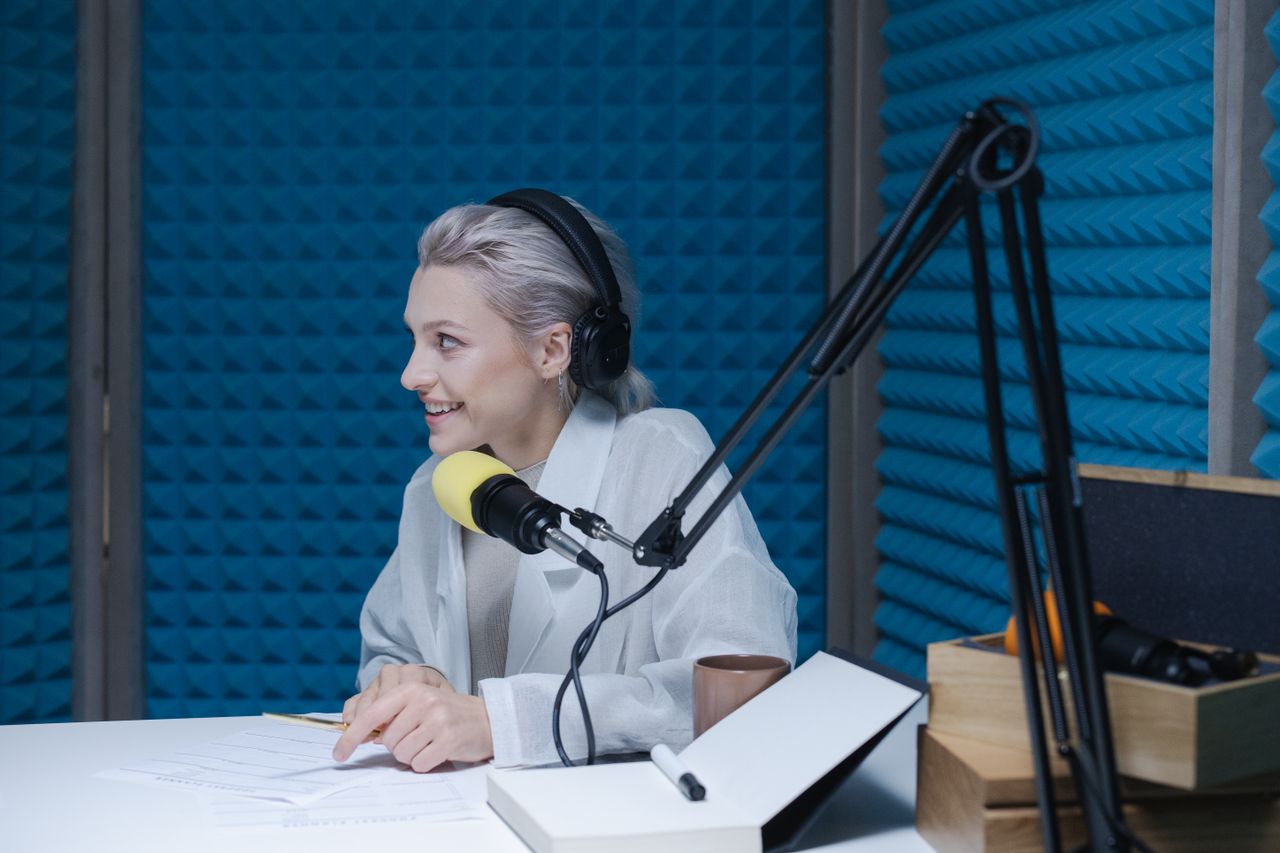
Amit Biligiri, a junior at Evergreen Valley High School in San Jose, California, has won the top prize in NPR's eighth annual Student Podcast Challenge. His winning entry, titled 'What Happens to Memories,' examines the science of how the brain stores experiences. The project was inspired by a personal debate with his mother, Kalyani Urs, regarding his sleep habits and his ability to recall specific, emotionally significant childhood moments.
Exploring the Science of Memory
In his seven-minute podcast, Biligiri describes memory as a construction site managed by the amygdala rather than a static filing cabinet. He notes that sleep is essential for the brain to process and retain information, validating his mother's concerns about his sleep schedule. Additionally, he suggests that digital distractions, such as using phones, can hinder the formation of lasting memories by preventing individuals from being fully present.
The Role of Emotion in Recall
Biligiri highlights that intense emotions play a critical role in memory retention. He contrasts his inability to recall daily school tasks with his vivid memory of sharing fries with his late great-grandfather, B. Raje Urs, at a Burger King in Bangalore when he was six years old. He observed similar patterns while volunteering at a senior living community, where residents often prioritized memories tied to strong feelings over major life events.
Advertisement
This article was independently rewritten by ManyPress editorial AI from reporting originally published by NPR Health.