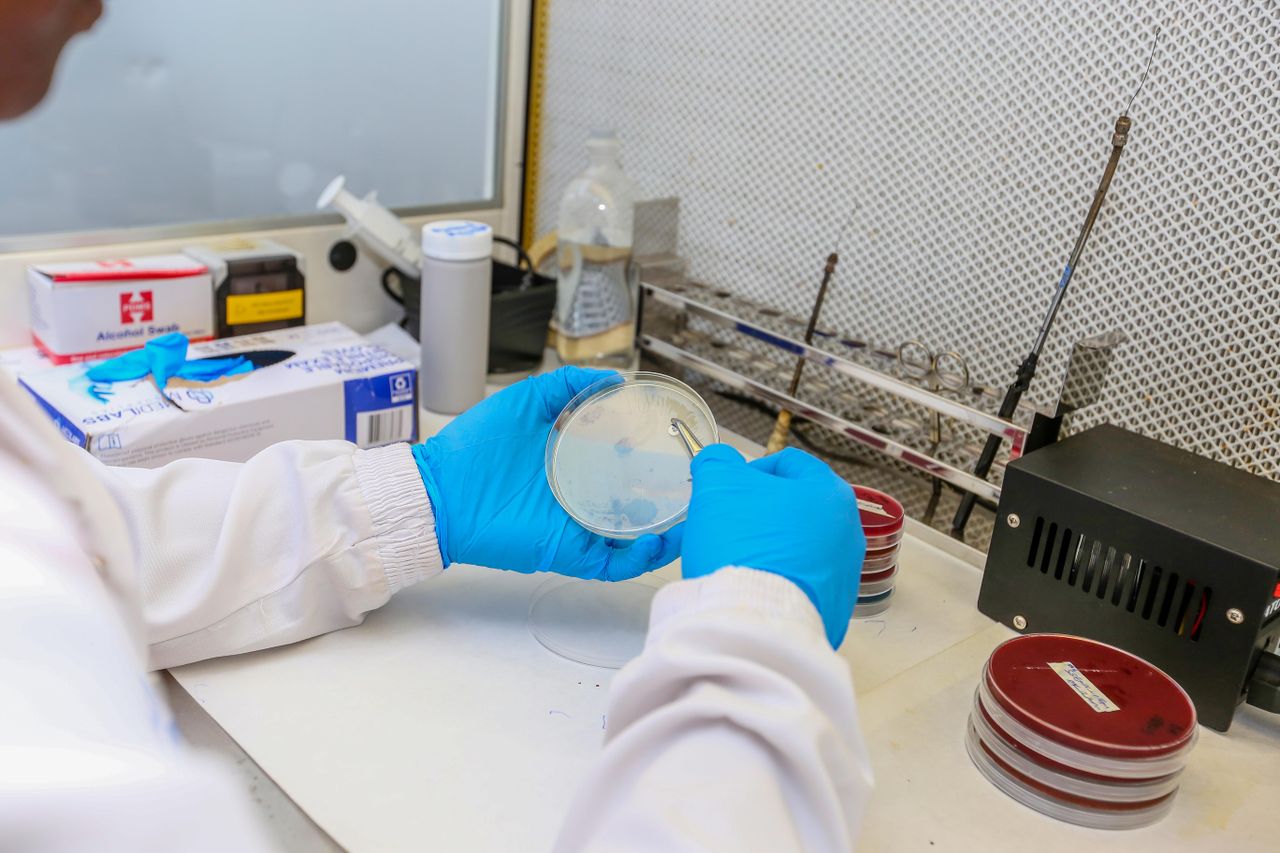
University of Kentucky researchers are collaborating with Alaska Native communities to conduct rapid genomic sequencing of wildlife to monitor emerging diseases like avian flu.
Key facts
- •Utqiaġvik, Alaska, is the northernmost community in the United States and a major convergence point for global bird migration.
- •The research team is specifically monitoring for the H5N1 avian flu strain to help predict future health risks.
- •New microfluidic technology allows for genomic sequencing results to be obtained in one day rather than weeks.
- •Local hunters are trained to collect oral and cloacal swabs from birds to assist in environmental surveillance.
- •The project aims to empower local communities to manage their own health data and ensure food safety.
A team from the University of Kentucky recently traveled to Utqiaġvik, Alaska, to study how diseases evolve and spread among migratory birds. By partnering with local Alaska Native communities and the Wildlife Conservation Society, researchers are using new microfluidic technology to perform genomic sequencing in the field. This initiative aims to identify potential biological threats, such as the H5N1 avian flu strain, before they reach human populations.
Field-Based Genomic Sequencing
Led by Scott Berry, director of the Environmental Surveillance Center for Assessing Pathogen Emergence, the team is working to eliminate health monitoring blind spots in remote regions. By providing local hunters and community scientists with specialized sampling kits and microfluidic chips, the researchers can now sequence samples in a single day. This replaces a previous process that required shipping samples to distant laboratories, which often resulted in weeks-long delays.
Ecological Connections and Public Health
Utqiaġvik serves as a critical junction for the Mississippi, Pacific, and Atlantic migratory flyways, making it a hotspot for viral exchange between diverse bird species. Because Kentucky lies within the Mississippi Flyway, the research provides a predictive early warning system for the state's agricultural sector. Identifying emerging strains in Alaska allows officials in Kentucky to better prepare biosafety protocols and veterinary measures to protect local poultry.
Community Partnership and One Health
The project operates under the 'One Health' philosophy, which emphasizes the interconnectedness of human, animal, and environmental health. The team conducted a three-day training retreat for students and community members, focusing on sampling techniques and data management. Beyond monitoring avian pathogens, the researchers are also investigating local concerns regarding the potential release of dormant pathogens from thawing permafrost due to climate change.
Advertisement
This article was independently rewritten by ManyPress editorial AI from reporting originally published by Phys.org.