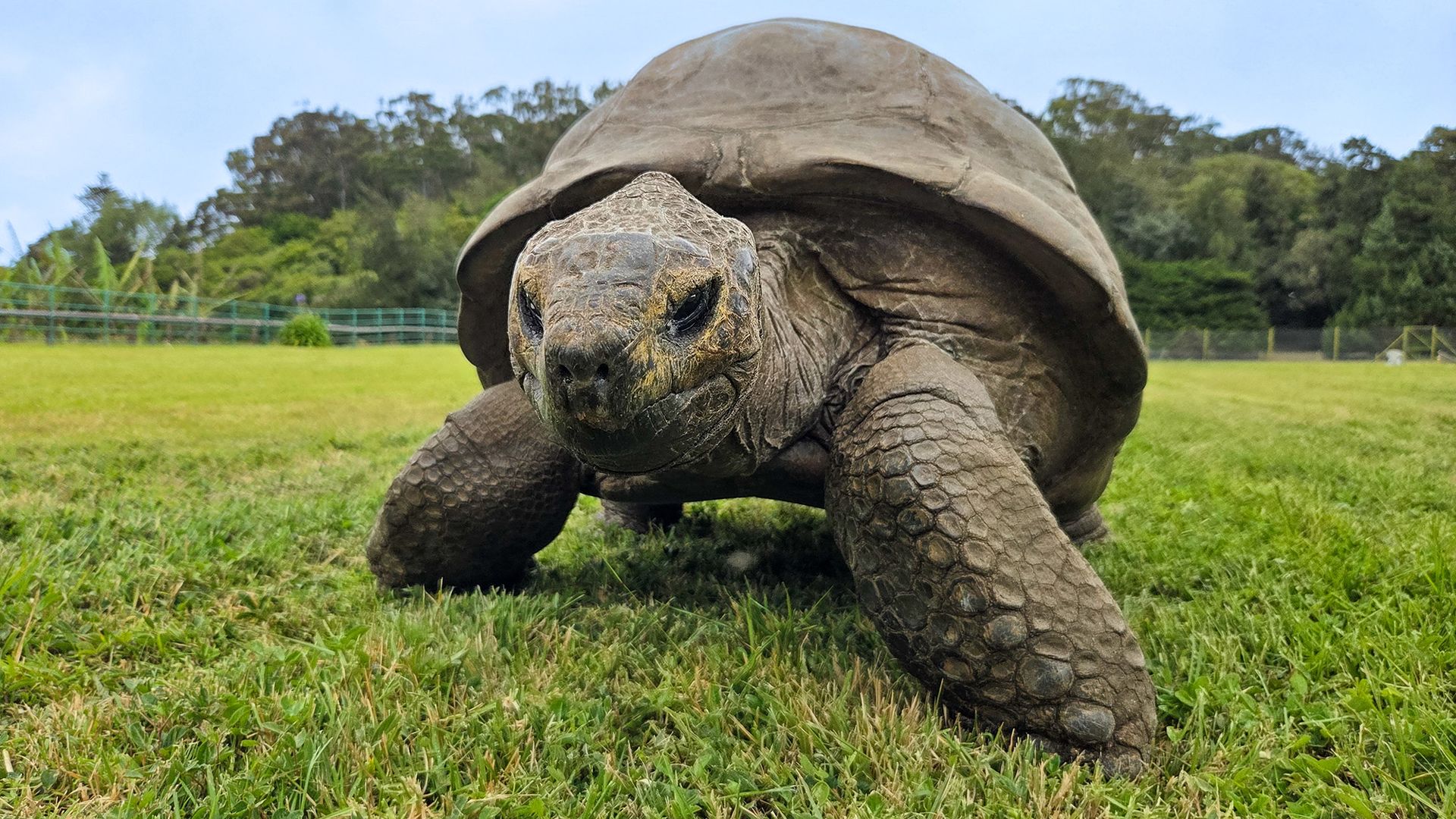
Researchers have identified unique genetic and epigenetic traits in Jonathan, the world's oldest living land animal, that may contribute to his extreme longevity.
Key facts
- •Jonathan is an Aldabra giant tortoise (Aldabrachelys gigantea) living at the official residence of the governor of St. Helena.
- •The research team was led by Benjamin Vaisvil and included scientists from the non-profit Kallel Foundation.
- •The study identified chemical patterns on Jonathan's genes that appear to protect the healthy functioning of his mitochondria.
- •Researchers compared Jonathan's genetic data against a reference genome from a 36-year-old Aldabra tortoise named Tank.
- •The findings were published in the journal Science Advances on Wednesday, October 7.
An international research team has analyzed the genome of Jonathan, a 194-year-old Aldabra giant tortoise residing on the island of St. Helena. The study, published in the journal Science Advances, identified specific genetic variants and chemical patterns that may explain how the animal has survived for nearly two centuries. Researchers believe these findings offer new insights into the biological mechanisms of aging and mitochondrial health.
Genetic and Epigenetic Findings
The study revealed that Jonathan possesses genetic variants associated with DNA repair, metabolism, and cancer resistance. More significantly, the researchers examined epigenetic markers—chemical tags known as methyl groups that attach to DNA and influence gene activity. While many of Jonathan's gene patterns resembled those of other elderly tortoises, the patterns on genes linked to mitochondrial function were notably similar to those found in much younger animals. Stephen Clark, a senior researcher at the Kallel Foundation, noted that the stability of Jonathan's mitochondria is a key area of interest. Mitochondrial dysfunction is frequently linked to aging and age-related diseases, and the team suggests that maintaining these cellular structures in a pristine state may be central to the tortoise's longevity.
Data Collection Challenges
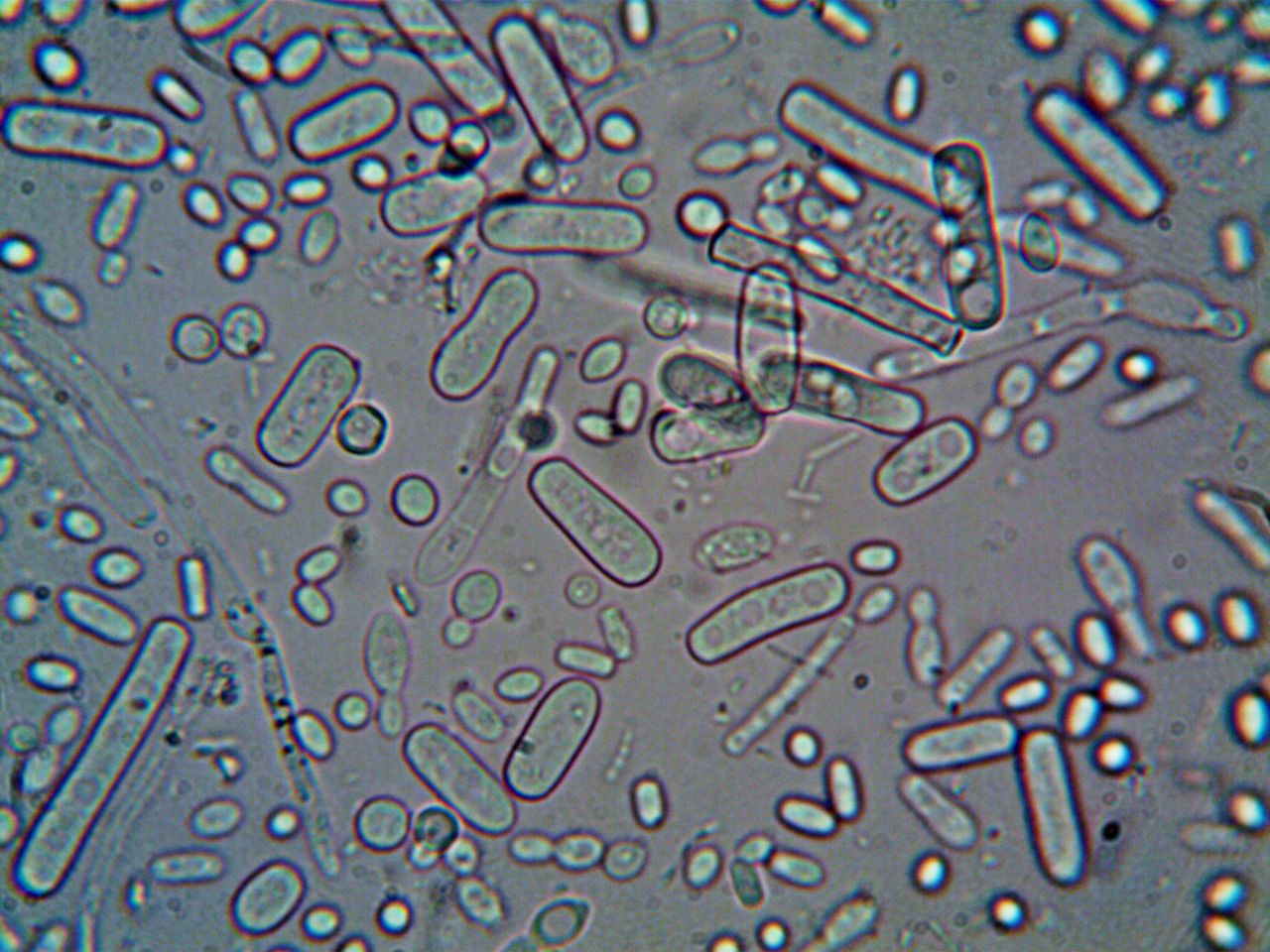
Collecting biological samples from Jonathan proved difficult due to strict protections on the animal. Island authorities prohibited blood draws to prevent infection, forcing the team to rely on cheek swabs and later, cheek scrapings collected by veterinarian Joe Hollins. Initial attempts to sequence the DNA were complicated when researchers accidentally sequenced bacterial DNA from the tortoise's mouth instead of his own cells. Because the final cheek tissue samples resulted in fragmented DNA, the team utilized a reference genome from a 36-year-old Aldabra tortoise named Tank to complete their analysis. They also compared their findings against the genetic data of Lonesome George, a Galápagos tortoise that died at over 100 years of age.
Timeline
- 1882Jonathan arrived on the island of St. Helena.
- 2009Joe Hollins took over the veterinary care of Jonathan.
- October 7The research team published their findings in the journal Science Advances.
Advertisement
This article was independently rewritten by ManyPress editorial AI from reporting originally published by Guardian Science, Live Science.