Research indicates that certain smaller sauropods were physically capable of standing on their hind legs, though this ability likely diminished as they grew larger and heavier.
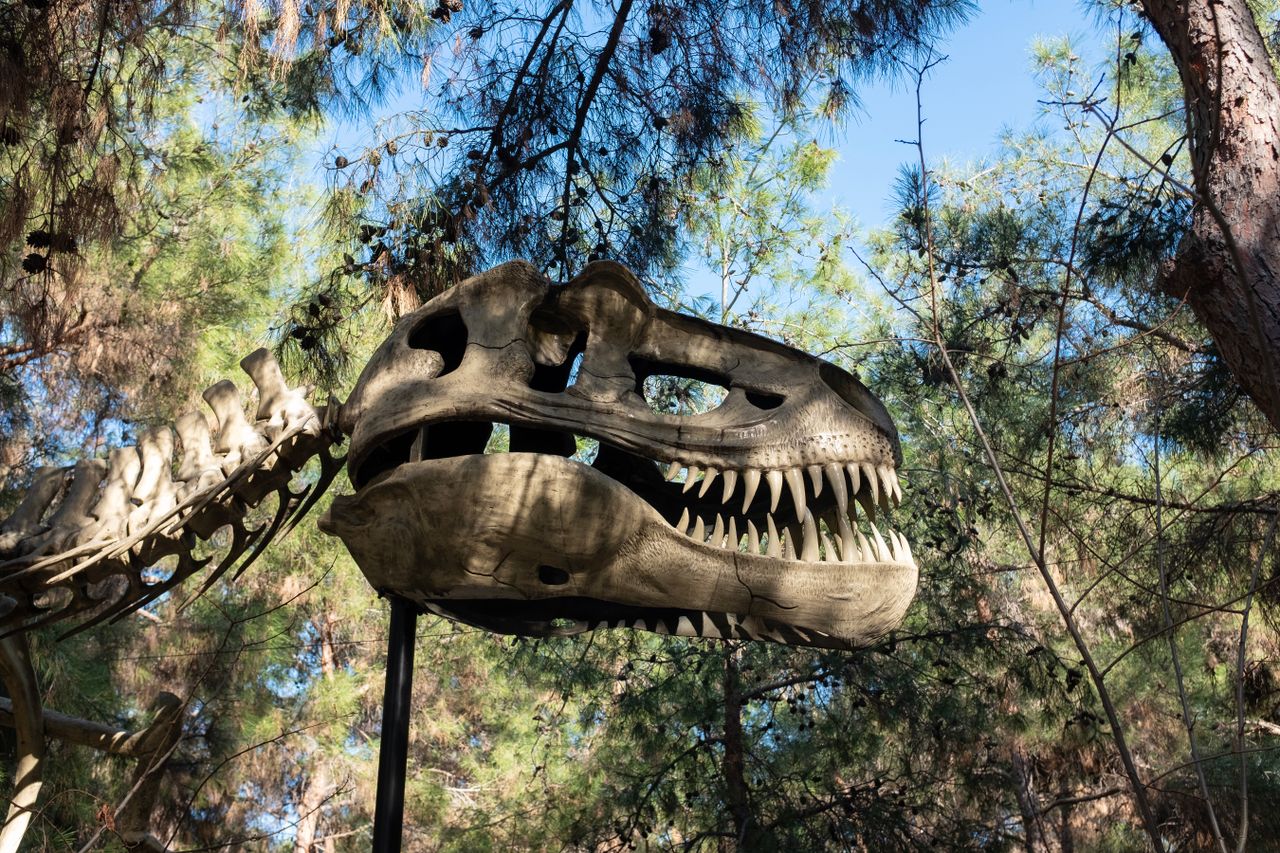
Key facts
- •The study examined Uberabatitan from Brazil and Neuquensaurus from Argentina, both of which lived during the Late Cretaceous period.
- •Adult Uberabatitans could grow up to 26 meters in length, making them the largest dinosaurs known from Brazil.
- •Finite element analysis was used to simulate the stress placed on the femur when the animals shifted their weight.
- •The research team included scientists from Brazil, Germany, and Argentina, with support from FAPESP.
- •The findings suggest that while standing upright was easier for younger, smaller sauropods, it became increasingly stressful for adults due to their added body mass.
New research published in the journal Palaeontology suggests that two South American sauropods, Uberabatitan and Neuquensaurus, were capable of standing on their hind legs about 66 million years ago. Scientists found that these dinosaurs possessed robust femurs that helped them support their weight in an upright position. The study indicates that while younger, smaller individuals could stand with relative ease, the ability likely became more difficult and stressful as the animals reached adulthood.
By the numbers
Engineering Methods Used for Analysis
To determine how these dinosaurs managed the physical stress of standing upright, researchers applied finite element analysis (FEA), a computational method typically used in engineering to test the structural integrity of bridges and buildings. The team created digital reconstructions of femurs from seven different sauropod species using fossils from museums worldwide. By simulating forces from gravity, body weight, and muscle exertion, the researchers calculated the total stress placed on the thigh bones of each species.
Advantages of Upright Posture
The ability to rise onto hind legs, often forming a tripodal stance with the tail, likely provided several survival advantages. By standing upright, these plant-eating dinosaurs could reach vegetation high in trees. The posture may have also served as a defensive mechanism to appear more intimidating to predators or played a role in reproductive behaviors, such as visual displays or mating. While the study suggests larger sauropods faced more discomfort due to weight-related stress, the researchers noted that their models did not account for cartilage or the stabilizing support of the tail.
Advertisement
This article was independently rewritten by ManyPress editorial AI from reporting originally published by ScienceDaily.