Griffith University researchers have developed a model to understand how breast cancer survivors navigate sexual and intimacy challenges following treatment.

Key facts
- •Researchers interviewed 31 breast cancer survivors between the ages of 32 and 72.
- •The study identified three potential recovery trajectories: ongoing disruption, gradual adjustment, or reclaiming sexuality.
- •Supportive partners were found to act as a buffer against distress, helping women develop new forms of intimacy.
- •Participants reported that clinicians rarely discussed sexual side effects or relationship challenges during treatment.
- •The findings were published in the 2026 issue of The Journal of Sex Research.
A study published in The Journal of Sex Research highlights that sexual well-being is frequently overlooked during breast cancer recovery. Griffith University researchers interviewed 31 survivors, aged 32 to 72, to develop a three-layer model of post-treatment sexual adjustment. The findings suggest that recovery is influenced by physical, relational, and cultural factors, rather than being solely a medical issue.
Factors Influencing Sexual Recovery
Lead author Mina Esmkhani identified three primary influences on sexual recovery: embodied disruptions, relational dynamics, and cultural or health care factors. Embodied disruptions include physical symptoms such as pain, vaginal dryness, reduced desire, scarring, and changes in body image. Relational dynamics involve communication and emotional connection with partners, while cultural and health care influences encompass social expectations, stigma, and the extent to which medical professionals address sexual health.
The Role of Partners and Clinicians
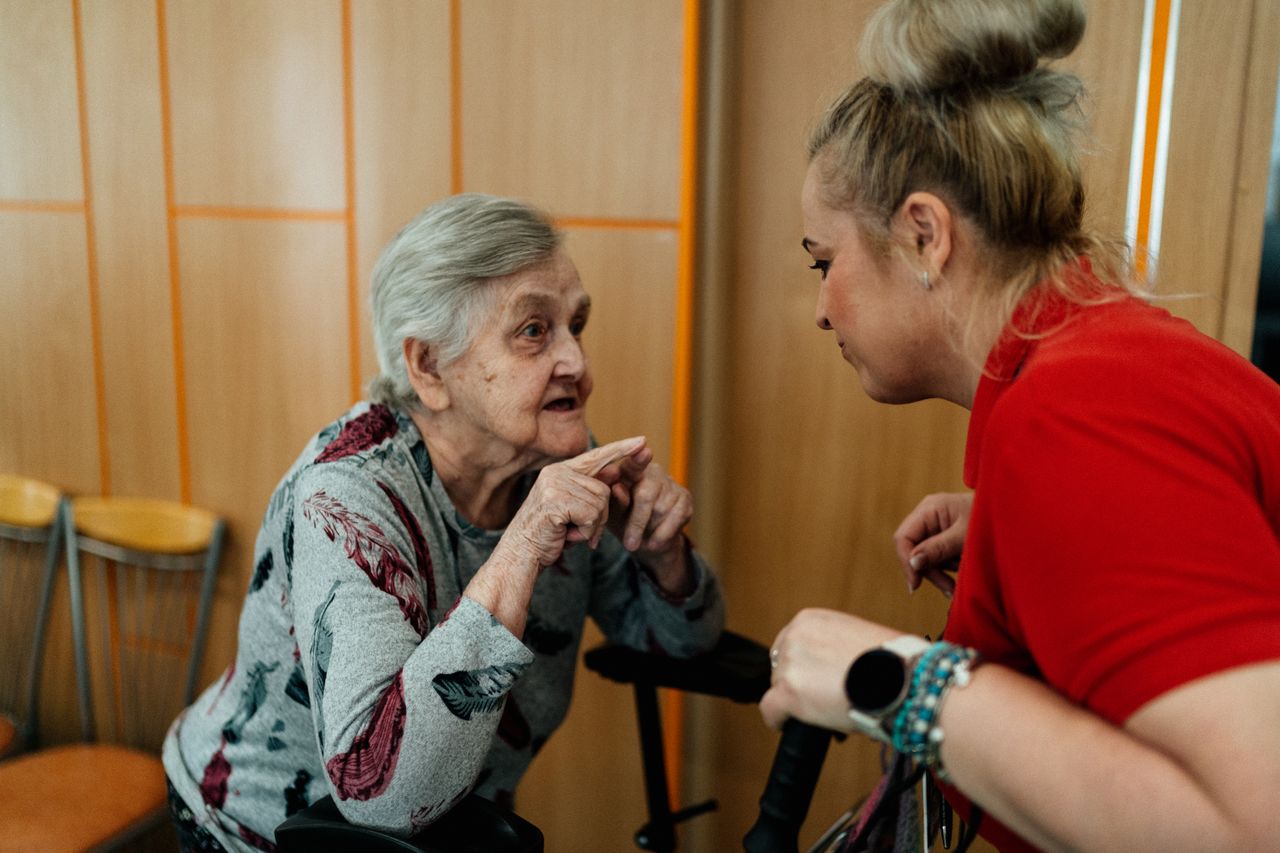
The study found that a partner's response is a significant factor in a survivor's adjustment. Partners who provided empathy and emotional support helped women rebuild confidence and maintain intimacy, whereas avoidance or discomfort could intensify distress. Additionally, researchers noted a consistent 'health care silence,' where clinicians focused on survival but rarely initiated conversations about sexual side effects. Project lead Associate Professor Armin Ariana emphasized that sexual health should be integrated into standard cancer care rather than treated as an optional topic.
Advertisement
This article was independently rewritten by ManyPress editorial AI from reporting originally published by Medical Xpress.