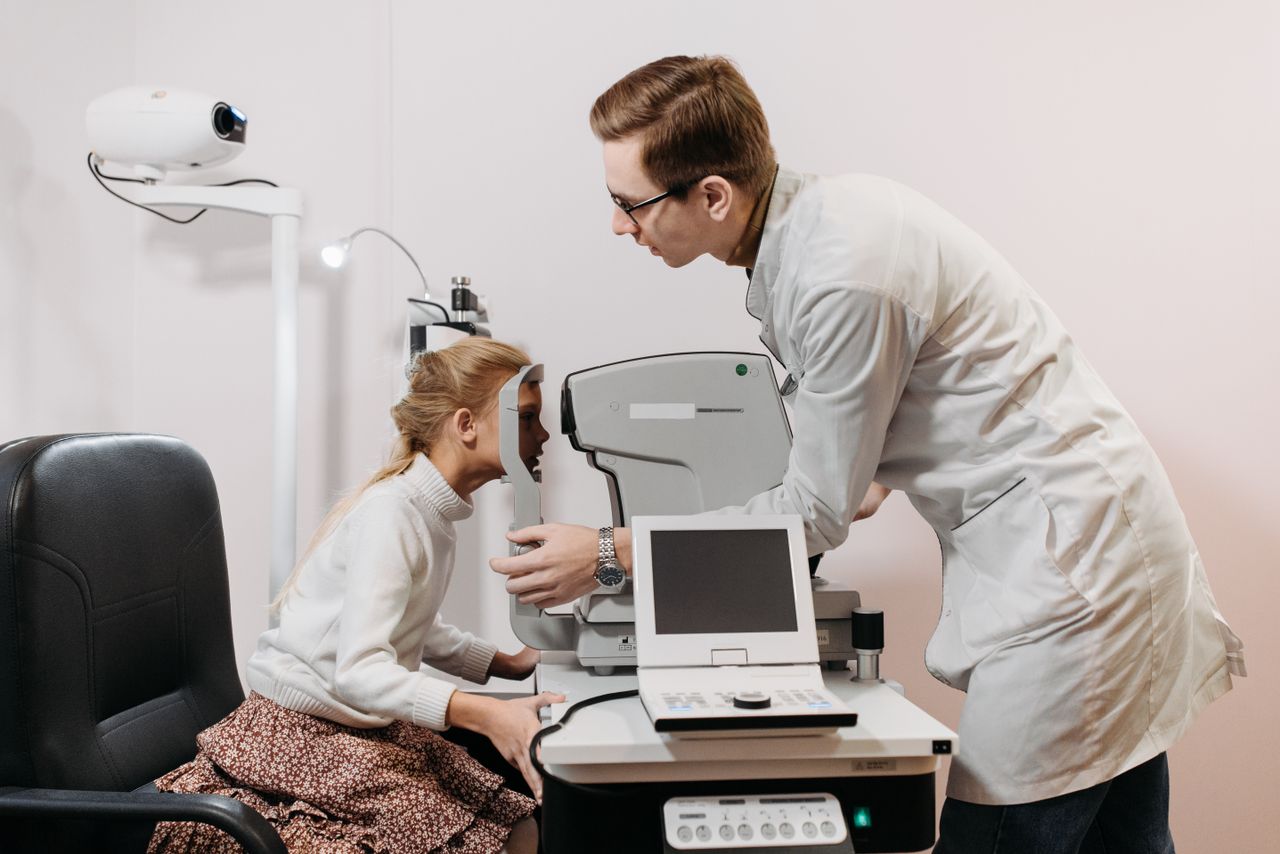
UC San Francisco researchers found that children in areas with higher lithium levels in drinking water had greater odds of being diagnosed with Wolff-Parkinson-White syndrome.
Key facts
- •Children in California counties with lithium levels in the highest 25% had 71% greater odds of a WPW diagnosis.
- •The study analyzed health and water-quality data for more than 2.3 million children in California and nearly 2 million in New York.
- •In New York, children in areas with lithium levels above 10 parts per billion had greater odds of WPW.
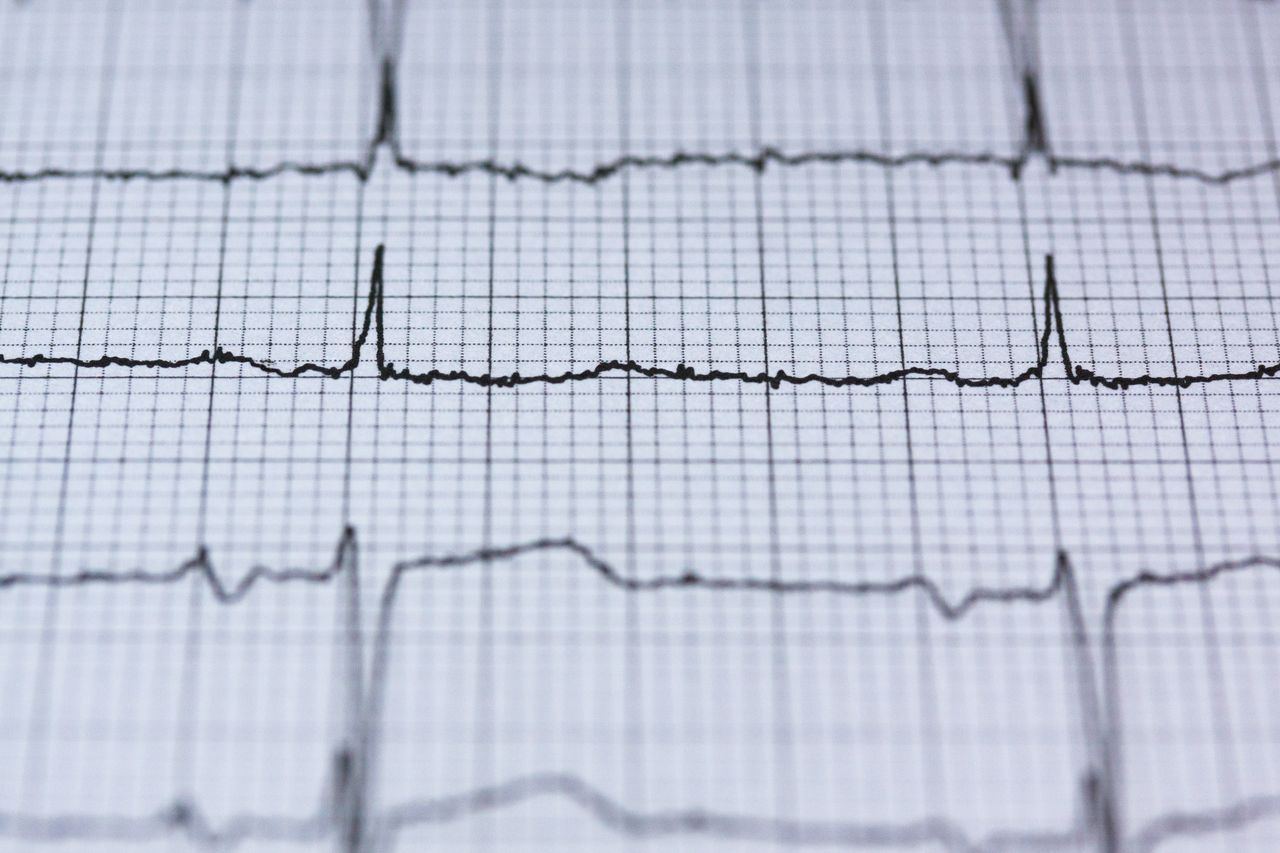
- •WPW is caused by an accessory pathway that creates an abnormal electrical connection in the heart.
- •Lithium in drinking water is not currently regulated in the United States, though the EPA requires monitoring.
- •Only 686 of the more than 2.3 million California children in the study had a documented WPW diagnosis.
A new study led by UC San Francisco researchers found that children living in areas with higher levels of lithium in drinking water were more likely to be diagnosed with Wolff-Parkinson-White (WPW) syndrome. The condition is a rare heart disorder that can cause a dangerously fast heartbeat. The findings were published in The Journal of Clinical Investigation and are based on health and water-quality data for more than 2.3 million children in California.
By the numbers
Study Findings and Data
In California, children in counties with lithium levels in the highest 25% had 71% greater odds of a WPW diagnosis than those in counties with lower levels. The researchers observed similar results in New York, where nearly 2 million children were analyzed. In New York, children living in areas with lithium levels above 10 parts per billion also had greater odds of WPW. Higher lithium levels in California were also associated with supraventricular tachycardia, palpitations, and fainting.
Understanding the Condition
WPW occurs when an extra strand of heart muscle, known as an accessory pathway, creates an abnormal electrical connection in the heart. These pathways form during fetal development, but the cause has remained largely unknown. Most people with accessory pathways do not have a family history of the condition, suggesting environmental exposures during fetal development could play a role. Accessory pathways are among the most common causes of supraventricular tachycardia and are associated with a small increased risk of sudden death.
Research Limitations and Next Steps
The study does not prove that lithium causes WPW. Researchers did not know how much lithium individual children or their mothers consumed and used county of residence to estimate exposure. Gregory Marcus, the senior author, noted that medicinal doses of lithium during pregnancy have been associated with congenital heart defects, which prompted the study. He stated that the findings should not alarm people about the safety of their drinking water, as WPW is rare, with only 686 of the 2.3 million California children in the study having a documented diagnosis.
Advertisement
This article was independently rewritten by ManyPress editorial AI from reporting originally published by Medical Xpress.