Textile science and biology explain why damp clothing develops unpleasant smells and how to prevent microbial growth.
Key facts
- •A 2012 Japanese study identified Moraxella osloensis as the primary bacterium responsible for the "wet rag" smell in laundry.
- •A 2025 study found that washing machines often host biofilms that can contaminate clothes during the wash process.
- •Polyester is lipophilic, allowing it to absorb and retain oily sweat residues that feed odor-causing bacteria.
- •Human noses can detect geosmin, a compound produced by mold and mildew, at concentrations of a few hundred parts per trillion.
- •Using laundry boosters containing oxygen bleach and enzymes can help break down biofilms and improve cleaning performance.
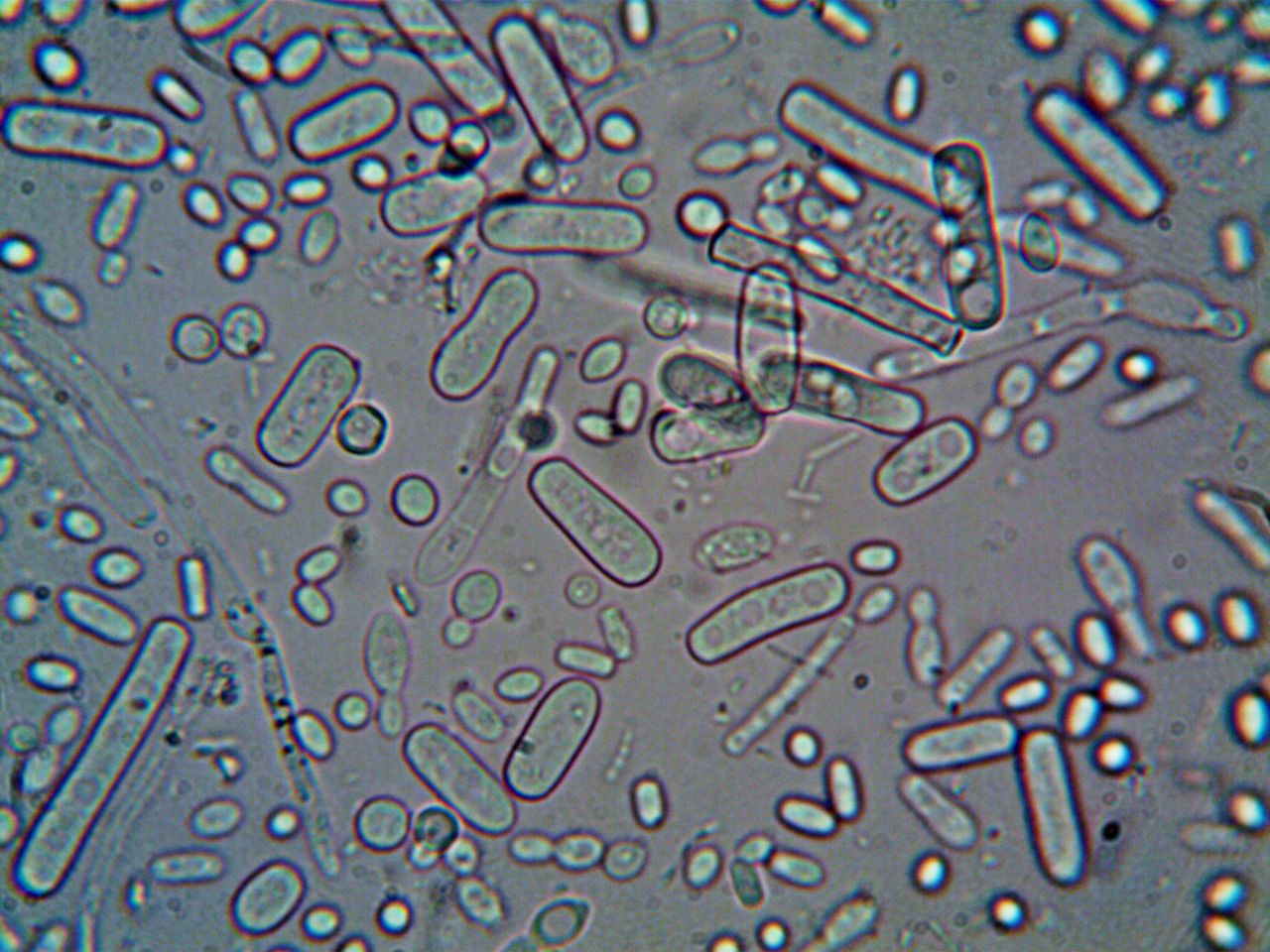
Laundry left wet for extended periods often develops a persistent odor due to the growth of bacteria and fungi. Damp fabric at room temperature provides an ideal environment for these microbes, which feed on skin cells, sebum, and sweat residues left behind after a wash cycle. The bacterium Moraxella osloensis is primarily responsible for the characteristic "wet rag" smell, as it produces specific compounds that are difficult to remove once established in textiles.
By the numbers
Microbial Growth and Machine Biofilms
Research indicates that household washing machines can host persistent microbial biofilms, particularly around door seals and in detergent drawers. These colonies can reinoculate freshly washed clothes during every cycle. If laundry remains wet or dries slowly in poorly ventilated spaces, fungi such as mold and mildew may also grow, producing geosmin, a compound that creates an earthy odor detectable by humans at concentrations of just a few hundred parts per trillion.
The Role of Fabric Composition
Textile choice significantly impacts odor retention. Cotton is hydrophilic, meaning it binds water and leaves less space for oily residues. Conversely, synthetic fabrics like polyester are lipophilic and hydrophobic, causing them to repel water while readily absorbing oily compounds from sweat and skin. Studies have confirmed that polyester retains more odor-causing compounds than cotton or viscose, making sportswear and athleisure garments particularly prone to stubborn smells.
Prevention and Remediation Strategies
To prevent odors, experts recommend moving laundry to a dryer or clothesline within 30 to 60 minutes of a wash cycle. If clothes already smell, re-washing them at the highest temperature permitted by the garment's label is recommended, potentially preceded by a soak in a concentrated vinegar solution. Periodic maintenance cycles using hot water, along with cleaning machine seals and drawers, can help break the cycle of bacterial reinoculation.
Advertisement
This article was independently rewritten by ManyPress editorial AI from reporting originally published by Phys.org.