Researchers found that flushing toilets can release bioaerosols into the air, potentially exposing users to pathogens, even when the lid is closed.
Key facts
- •Flushing toilets can release bioaerosols that remain suspended in the air for at least 20 seconds.
- •Pathogens potentially transmitted through toilet aerosols include legionella, influenza, and norovirus.
- •Researchers found that higher flush volumes and increased turbulence lead to a greater volume of airborne particles.
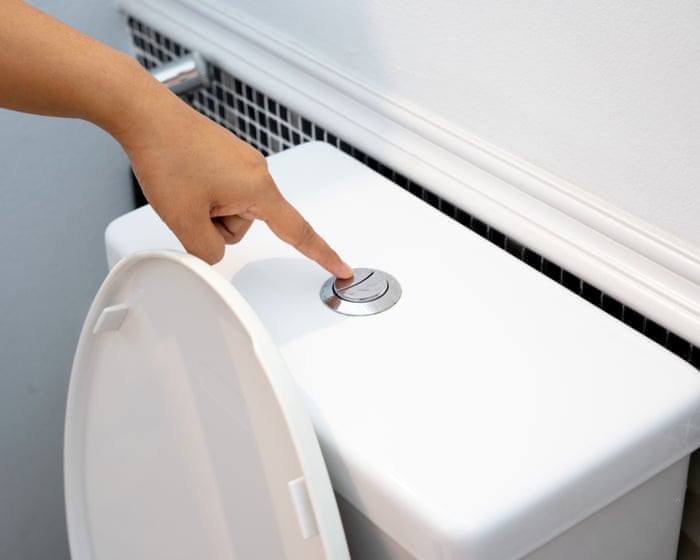
- •Closing the toilet lid is recommended as a precautionary measure, though it does not fully prevent aerosol escape.
- •Studies indicate that between 50% and 80% of people use mobile phones in restrooms, increasing the risk of spreading fecal microorganisms.
A review of 22 studies by Flinders University researchers has found that flushing toilets releases particles into the air that can reach the breathing zone of adults. These aerosols, which can remain suspended for at least 20 seconds, may contain pathogens such as legionella, influenza, and norovirus. The study suggests that turbulent flushing and higher water volumes increase the number of particles released, while the effectiveness of closing the toilet lid remains unclear.
By the numbers
Risks of bioaerosol exposure
The researchers noted that indoor aerosols are often understudied despite their ability to penetrate deep into the human respiratory tract. While the study indicates that bioaerosols pose a potential inhalation risk, co-author Professor Harriet Whiley stated that healthy individuals in their own homes generally do not need to be concerned. However, she noted that immunocompromised individuals face higher risks from opportunistic pathogens found in water, particularly recycled or rainwater.
Public restroom contamination
Dr. Lotti Tajouri, an associate professor in molecular genetics, emphasized that bathroom contamination extends beyond toilet plumes. He warned that public toilets are hotbeds for microbes on surfaces including doors, floors, and walls. Furthermore, the use of mobile phones in restrooms contributes to the spread of fecal microorganisms, with studies suggesting that 50% to 80% of people use their phones in toilets, potentially contaminating their devices and fingers with bacteria such as salmonella and campylobacter.
Advertisement
This article was independently rewritten by ManyPress editorial AI from reporting originally published by The Guardian Health.