Despite rising wholesale and gas prices, U.S. consumer spending continues to grow, supported by low unemployment and job security.
Key facts
- •Wholesale prices rose 6.3% in September from a year earlier, the largest increase in nearly four years.
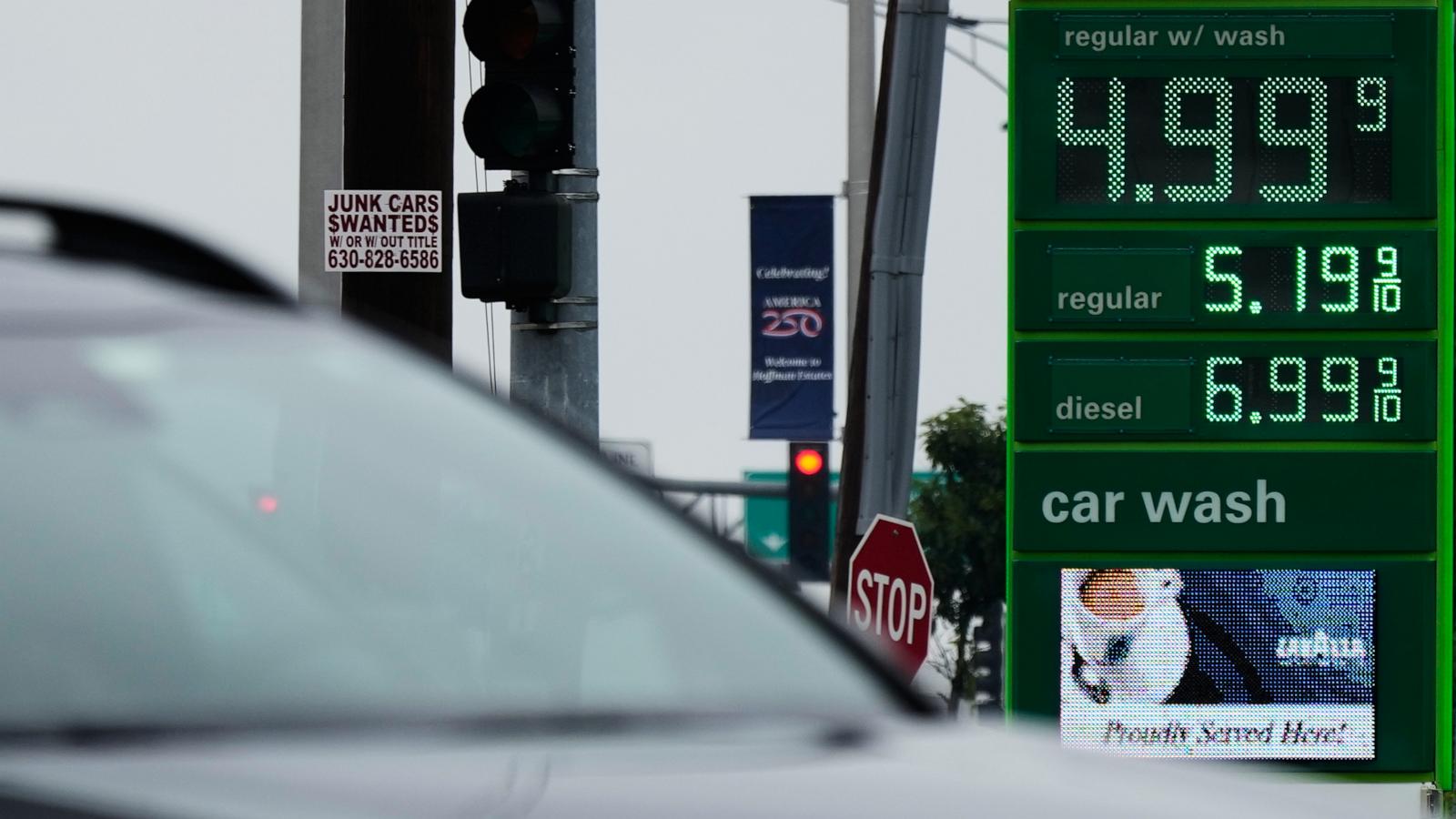
- •Diesel prices reached an average of $6.32 a gallon on Thursday, up from $3.66 a year ago.
- •Retail sales grew 0.8% in September, driven by a 6.4% increase in spending at gas stations.
- •Unemployment benefit claims remained below 200,000 last week, indicating low levels of layoffs.
- •September inflation reached 3.7%, exceeding the Federal Reserve's 2% target.
U.S. consumers are continuing to spend despite rising inflation and higher gas prices, which are driving up costs across the economy. Recent data shows that while wholesale prices have surged, retail sales grew by 0.8% in September. This resilience is largely attributed to low unemployment and a high degree of job security, even as many Americans report a negative outlook on the economy.
By the numbers
Rising Costs and Inflationary Pressures
The government's producer price index, which tracks costs before they reach consumers, rose 6.3% in September compared to a year earlier, marking the largest increase in nearly four years. Monthly wholesale prices jumped 1.3% from August, driven by a 20% increase in gas prices. Higher diesel costs, which averaged $6.32 a gallon nationwide on Thursday compared to $3.66 a year ago, have increased expenses for shipping and food production.
Consumer Spending and Labor Market Trends
Retail sales increased 0.8% in September, exceeding economist forecasts. Spending at gas stations rose 6.4%, while restaurants and bars saw a 1.1% increase. The labor market remains a key factor in this spending, with unemployment benefit claims staying below 200,000 last week. However, inflation-adjusted weekly paychecks declined in September for the first time since May, and September hiring slowed to 29,000 jobs.
Federal Reserve Policy Outlook
With inflation at 3.7% in September—above the Federal Reserve's 2% target—officials indicate that further interest rate increases may be necessary this year. The Fed raised its key rate to approximately 3.9% in September. These rate hikes are intended to slow spending and combat inflation, though they may also increase borrowing costs for mortgages, car loans, and credit cards.
Advertisement
This article was independently rewritten by ManyPress editorial AI from reporting originally published by ABC News Business.