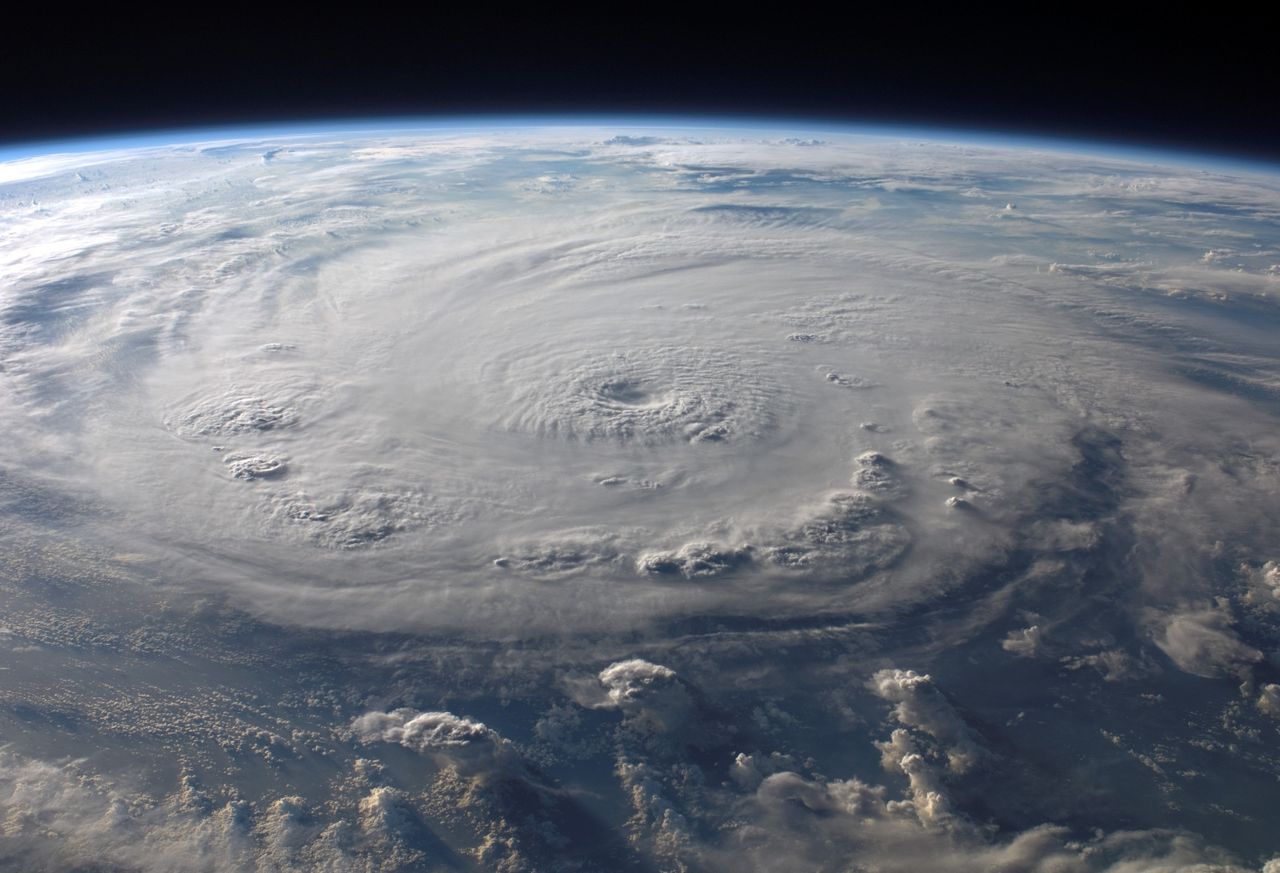
While AI has advanced global weather forecasting, predicting the rapid intensification of hurricanes remains difficult due to data limitations and inherent atmospheric chaos.
Key facts
- •Hurricane Polo intensified from a tropical storm to a Category 5 hurricane in 24 hours starting on Sept. 21, 2026.
- •Hurricane intensity is defined as the maximum wind speed measured at a height of 33 feet (10 meters).
- •Hurricane Michael's 2018 rapid intensification left limited time for evacuation before striking Florida.
- •Current AI training goals often force a choice between minimizing forecast error and capturing the intrinsic chaos of a storm.
- •Future forecasting systems may need to focus on a range of possible hurricane intensities and their probabilities rather than a single number.
Artificial intelligence has significantly improved global weather forecasting by leveraging massive datasets and increased computing power. However, these models face persistent challenges when predicting hurricane intensity at a regional scale. Unlike global patterns, hurricane behavior often involves rapid, extreme changes that current datasets and observational systems struggle to capture with sufficient detail.
By the numbers
Data Limitations in Hurricane Forecasting
Training AI models for hurricane prediction relies on two primary data sources: direct observations and weather model simulations. Direct observations from satellites, radars, and buoys are often sparse over the open ocean, where critical stages of storm development occur. While modern satellites help, they cannot simultaneously scan the full three-dimensional structure of every storm. Alternatively, weather model simulations provide a high-resolution, three-dimensional view but are limited by inherent approximations and uncertainties in our knowledge of the atmosphere. Consequently, scientists currently lack a complete, high-quality dataset required to train AI models for precise hurricane intensity forecasting.
The Role of Atmospheric Chaos
Beyond data gaps, researchers suggest that hurricanes may possess an element of chaos that limits predictive accuracy. Small initial differences in a storm's state can grow over time, making long-term intensity predictions inherently difficult. Some studies propose that intensity fluctuations occur within a 'chaotic attractor,' a set of possible states where a storm evolves unpredictably. This creates a fundamental dilemma for AI development. Models trained to minimize forecast error may learn the most likely storm evolution while smoothing out unpredictable, chaotic fluctuations. Because these two goals compete, the accuracy of intensity forecasts tends to degrade after a few days.
Advertisement
This article was independently rewritten by ManyPress editorial AI from reporting originally published by Phys.org.