A new study indicates wildfire smoke is increasingly contributing to unhealthy prenatal air pollution, particularly affecting low-income and rural communities.
Key facts
- •Wildfire smoke now accounts for a growing share of acute, massive air pollution days.
- •Pollution contributions from wildfires in the West and Northwest more than doubled during the study period.
- •Communities most affected by air quality declines often have limited access to neonatal care.
- •Exposure to wildfire smoke during the prenatal period is linked to potential life-long health problems.
- •Data from sources like Purple Air indicates that PM2.5 pollution from wildfires can penetrate inside homes.
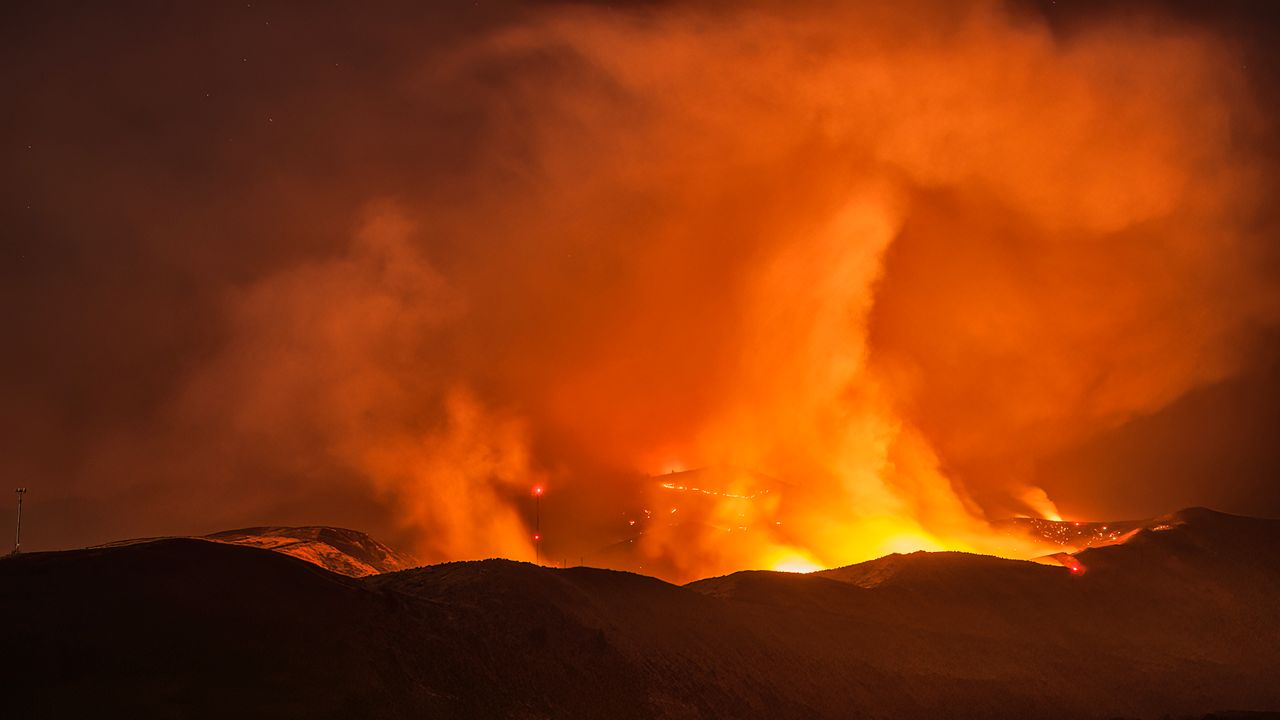
Wildfire smoke has become a significant source of air pollution for pregnant individuals, according to a new study. The research highlights that wildfire-related pollution is increasingly responsible for acute, massive air pollution days that pose health risks to babies.
Disproportionate Impact on Vulnerable Populations
The study found that wildfire contributions to air pollution in the West and Northwest more than doubled during the study period. Low-income, rural, and American Indian and Alaska Native communities are disproportionately affected by these air quality reversals and often face the least access to neonatal care.
Managing Future Exposure
Researcher Boudreaux noted that while the study did not account for individual behaviors like mask-wearing or home air filtration, data suggests significant PM2.5 pollution levels reach inside homes. He suggested that future efforts should focus on providing clean-air shelters, air filters, and improved healthcare access to help manage this specific type of exposure.
Advertisement
This article was independently rewritten by ManyPress editorial AI from reporting originally published by Ars Technica.